
Rise Above
The NBC Camps blog
Training advice, parenting tips and camp-life stories from NBC coaches — for athletes who want to rise above.
 Featured · Blog
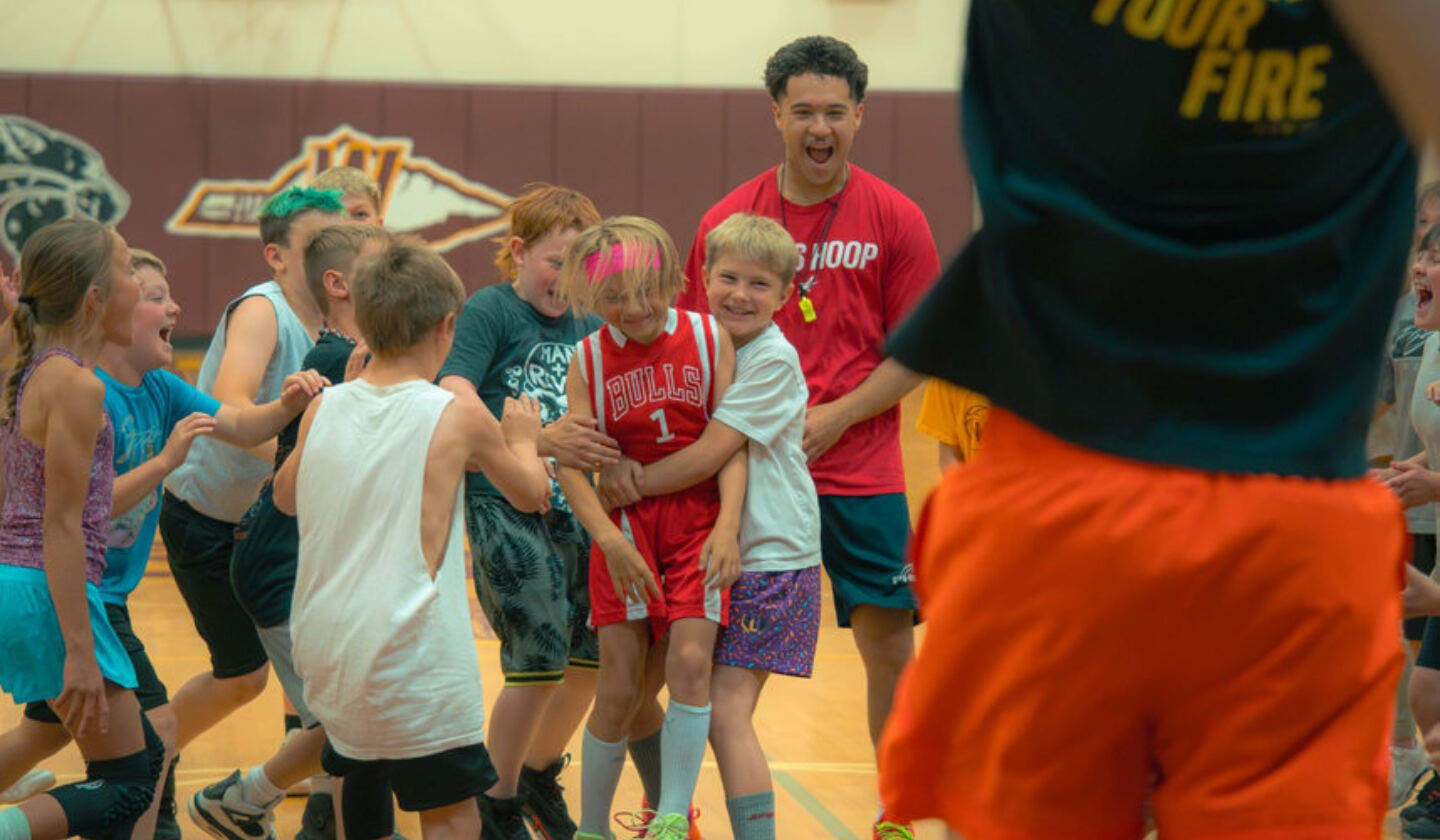
For the Love of the Game
Think back to when you first started playing. Chances are, you weren't thinking about making varsity, earning a scholarship, or winning championships. You were probably just having fun.Maybe you loved…
Read more
Featured · Blog
For the Love of the Game
Think back to when you first started playing. Chances are, you weren't thinking about making varsity, earning a scholarship, or winning championships. You were probably just having fun.Maybe you loved…
Read more
-
 Blog
How Do You Impact Your Team?
Blog
How Do You Impact Your Team?
-
 Blog
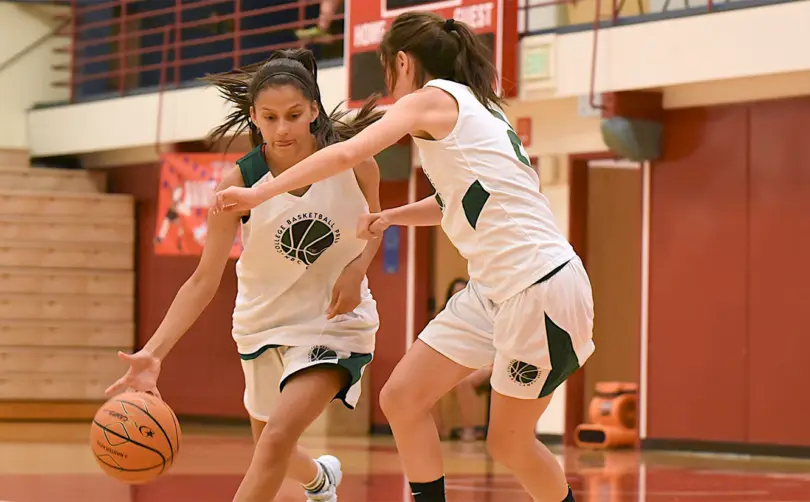
The Athletes Who Truly Want to Get Better
Blog
The Athletes Who Truly Want to Get Better
-
 Basketball · Blog
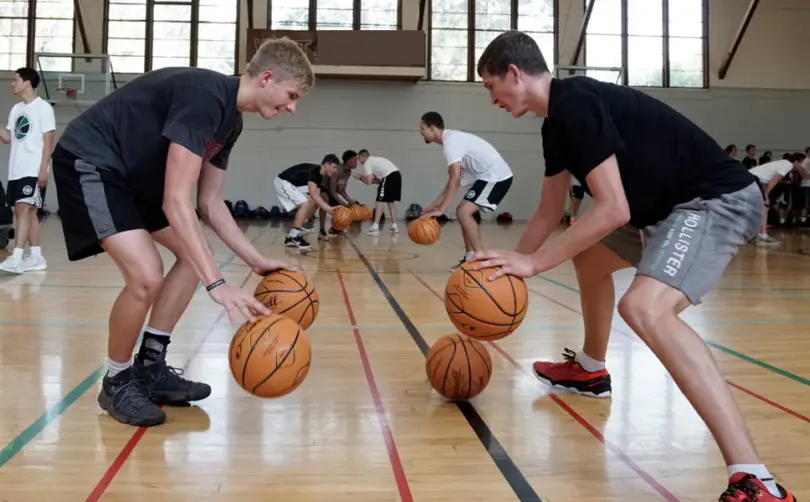
Ten Reasons Camp Can Change a Player For the Better
Basketball · Blog
Ten Reasons Camp Can Change a Player For the Better
-
 Motivation · Blog
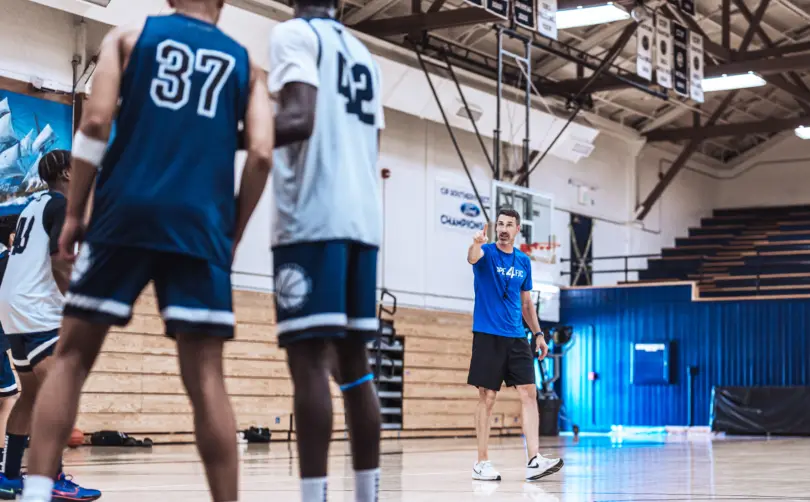
Nothing Beats Commitment
Motivation · Blog
Nothing Beats Commitment
-
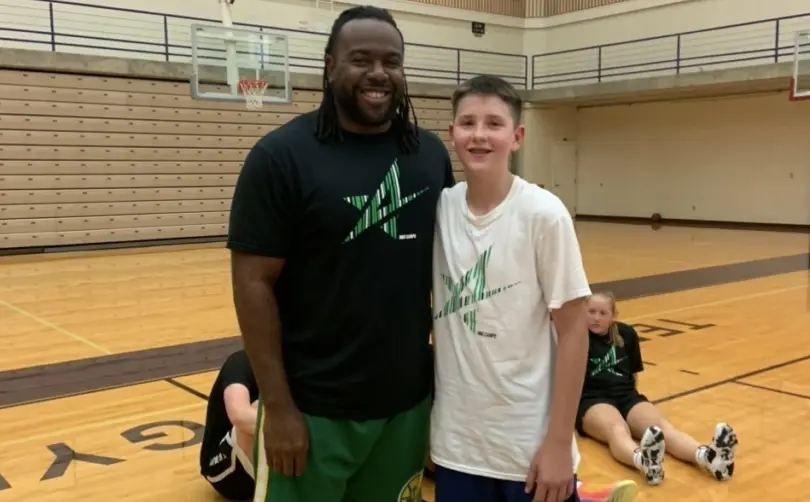 Skills · Blog
Partnering with your Coach to create an Offseason Plan
Skills · Blog
Partnering with your Coach to create an Offseason Plan
-
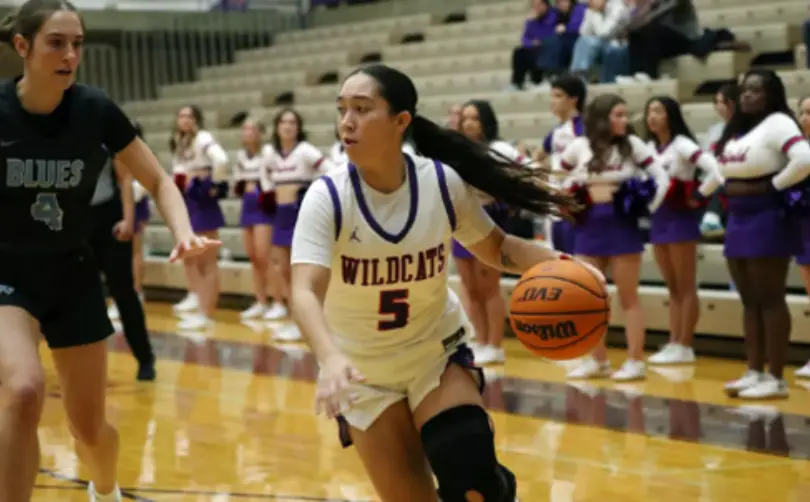 Leadership · Blog
Perseverance starts with Grit and ends with Grace
Leadership · Blog
Perseverance starts with Grit and ends with Grace
-
 Motivation · Blog
The Power of Breath Work and Why Every Athlete Should Master It
Motivation · Blog
The Power of Breath Work and Why Every Athlete Should Master It
-
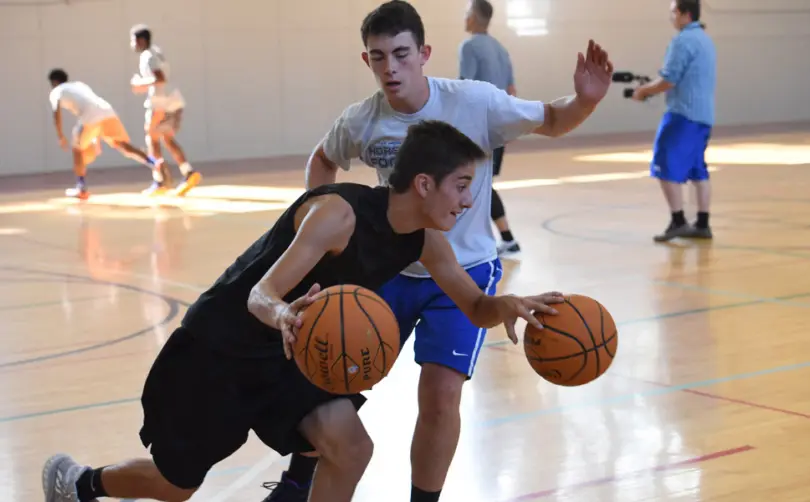 Motivation · Blog
How do I close the gap between my current basketball dreams and my future goals?
Motivation · Blog
How do I close the gap between my current basketball dreams and my future goals?
-
 Skills · Blog
Becoming a Better Athlete: The Benefits of Cross-Training in Other Sports
Skills · Blog
Becoming a Better Athlete: The Benefits of Cross-Training in Other Sports